




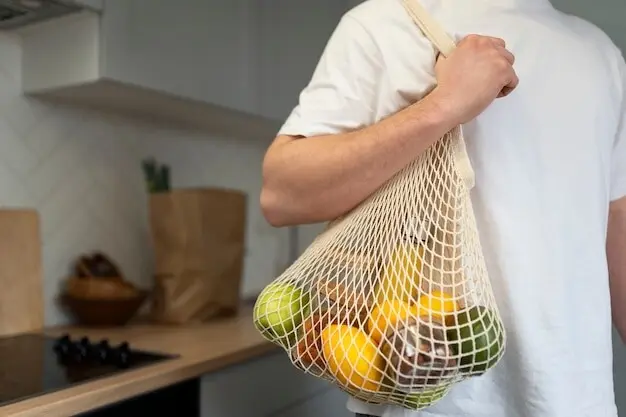
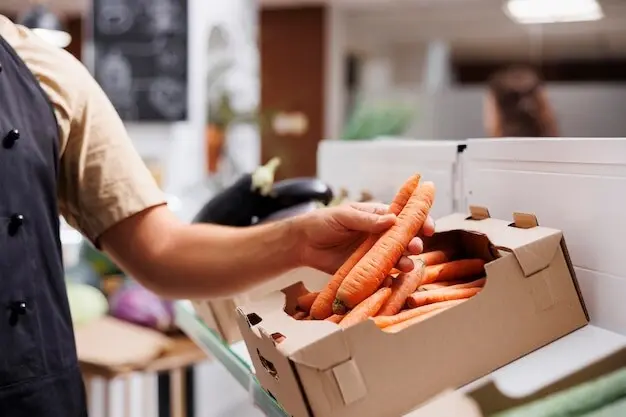
Grains, nuts, spices, coffee, and cleaners from bulk or refill stations let you buy just the right amount while skipping single‑use plastics. Bring sturdy jars or lightweight bags, label tare weights, and keep a simple inventory at home. Start with frequently used items for immediate wins. Many stores now support allergens and hygiene standards thoughtfully, and staff gladly guide newcomers. Over time, these quiet refills reduce clutter, save money, and transform shopping into a mindful ritual rather than a race through branded packaging.
When packaging is unavoidable, reach for materials with reliable end‑of‑life paths. Clear glass and plain aluminum endure multiple recycling loops with less downcycling than many plastics. Paper and cardboard work well if clean and uncoated. Choose simple designs without mixed layers that frustrate sorting systems. Avoid black plastics, soft laminates, and decorative extras that add weight without value. Pair these smarter picks with rinse‑and‑dry habits, and you will amplify the chance that what protects your food returns as useful material again.
Why ship water across continents when you already have it at home? Concentrated detergents, refillable cleaners, drink syrups, and bouillon pastes shrink packaging and freight emissions dramatically. Solid shampoo bars and tablet cleaners slash plastic entirely. Combine them with durable dispensers and travel‑friendly bottles to stretch savings even further. The experience is delightfully simple: top up, twist a cap, add water, and continue. Once you try compact formats, bulky bottles feel unnecessary, and your recycling bin becomes strangely, satisfyingly quiet.
That shiny discount can hide a higher cost per ounce. Seek the shelf tag’s unit price or do a quick calculation on your phone. Compare like with like: drained weight for canned goods, edible yield for bone‑in cuts, and water content for produce. Quality also matters; a slightly pricier item that you finish beats a bargain that spoils. With this small habit, the math favors longevity and satisfaction, gently steering purchases toward right‑sized packages and honest value that minimizes future regret.
Serving sizes on labels rarely match your household’s rhythms. Track what truly disappears and what returns to the fridge untouched. Buy proteins and perishables in quantities you can finish before the weekend rush, and freeze backups in meal‑ready amounts. Choose versatile bases—rice, tortillas, eggs—that stretch leftovers into fresh, craveable plates. When you calibrate to actual hunger, not imagined banquets, plates empty, compost stays lean, and a calm confidence replaces that anxious feeling of racing against the clock each evening.
Spend one week jotting what you toss and why: wilted greens, stale bread, mystery containers, or overcooked rice. Patterns pop quickly, guiding targeted tweaks like smaller salad mixes, half‑loaves, or par‑cooking grains. Pair your notes with a simple budget or climate goal to see compounding benefits. This mini‑audit invites curiosity, not blame, and empowers your next trip. Share findings with family or roommates, celebrate small wins, and watch the bin shrink while your meals grow more dependable, colorful, and satisfying.

Bring clean, dry containers with lids that seal, and ask staff for tare weights before filling. Keep a small cloth and marker handy, and label contents clearly at checkout. Respect allergy signage and scoop rules, and photograph posted codes for next time. Vendors appreciate thoughtful questions and repeat customers who return jars. These relationships open doors to seasonal deals, seconds boxes, and refill pilots. The result is a calm, collaborative experience where packaging shrinks, flavors shine, and community replaces anonymity at the register.

A genuine request travels far. If you want loose greens, bulk rice, returnable milk, or glass‑packed sauces, ask respectfully and mention how often you would buy. Managers log interest and pitch suppliers when patterns emerge. Bring examples from nearby stores, highlight reduced waste, and note potential cost savings. Thank them when changes appear, and spread the word so sales confirm the decision. Over time, your conversations reshape options for many families, proving that polite persistence can redirect an entire aisle toward lighter footprints.

Invite neighbors to a swap of jars, spare lids, and extra produce from gardens or CSA boxes. Post simple storage guides and leftover recipes on community boards. Share photos of creative refills, label hacks, and delicious saves to inspire others. Celebrate misfit carrots, soup‑stretching grains, and immaculate fridge shelves. The more visible the joy, the faster habits spread. Comment with your favorite stores supporting reusables, subscribe for seasonal checklists, and return next week with questions—we will fold your insights into fresh, practical experiments.
All Rights Reserved.